![[V1] – Colonos](https://site.colonos.eco.br/wp-content/uploads/2020/09/logo-dark.svg)
The allure of chance and unpredictability
The psychology of players in casinos is deeply intertwined with the allure of chance and unpredictability. Gamblers are drawn to the thrill of not knowing the outcome, which triggers the brain’s reward system. This uncertainty creates a heightened sense of excitement and anticipation, making each spin of a slot machine or roll of the dice a potentially life-changing event. The unpredictability gives players a rush that can be addictive, prompting them to play longer in hopes of hitting a big win at 1win , where the experience of risk is often exhilarating, drawing individuals into a world where fortunes can change in an instant.
Moreover, the concept of randomness is frequently misunderstood by players. Many believe that they can influence outcomes through strategies or betting systems, leading to what psychologists term “illusion of control.” This misconception drives players to continue engaging with the games, reinforcing their belief that they can outsmart the system and win consistently. Such beliefs create a fascinating dynamic, as players often find themselves caught in a cycle of hope and disappointment, returning to the casino despite the odds being heavily stacked against them. This cycle can be both compelling and dangerous, as it keeps players engaged even when they face repeated losses.
Ultimately, the unpredictable nature of casino games leverages our inherent desire for risk and reward. Players often find themselves engrossed in an environment where the excitement of the gamble overshadows the reality of potential losses. As they chase that elusive jackpot, they may inadvertently overlook the statistical realities of the game. This cognitive dissonance not only reinforces their involvement but also contributes to a broader understanding of why many people struggle with responsible gaming, as the thrill of the chase often clouds their judgment.
The impact of visual and auditory cues
Casinos are meticulously designed to engage players’ senses through visual and auditory cues. Bright lights, vibrant colors, and stimulating sounds create an immersive environment that heightens excitement and encourages prolonged play. These design choices are not accidental; they are intentionally crafted to amplify the emotional experience of gaming. The flashing lights of a winning slot machine, for example, provide immediate gratification, stimulating dopamine release in the brain, which reinforces the desire to play. This sensory overload serves to create a euphoric environment that keeps players on the gaming floor.
Furthermore, the auditory landscape within a casino plays a crucial role in shaping player behavior. The sounds of coins dropping, celebratory music, and even the chatter of fellow players contribute to an atmosphere brimming with excitement. When players hear the sounds of winning, they often feel compelled to continue playing, as these auditory signals create a feedback loop that reinforces the positive emotions associated with gambling. Over time, these cues can lead to a conditioned response, where players associate specific sounds and visuals with winning, thus enhancing their overall gambling experience and encouraging them to stay longer.
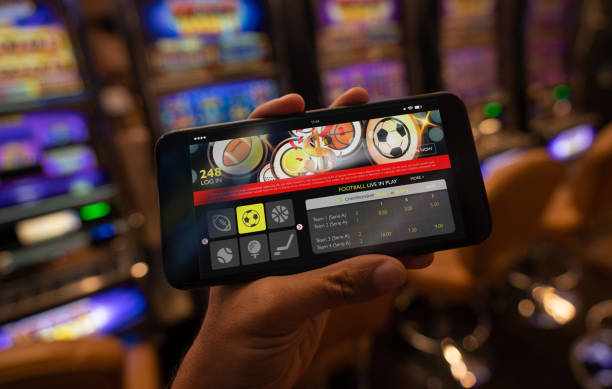
The strategic use of sensory experiences in casinos goes beyond mere aesthetics; it plays a fundamental role in player behavior. By creating a captivating atmosphere, casinos foster an environment where players lose track of time and money, often remaining oblivious to their gambling habits. This synergy of sensory stimulation and psychological engagement can have profound implications on how players interact with games and perceive their chances of winning. As a result, the design elements serve not only to attract players but also to keep them engaged in a cycle that can lead to excessive gambling behavior.
The role of social interaction in gambling
Social interaction plays a significant role in the gambling experience, as many players find camaraderie and excitement in sharing the gaming experience. Whether it’s cheering on a friend at a blackjack table or engaging in friendly banter while playing slots, these social dynamics can enhance enjoyment and increase the likelihood of continued play. Casinos often capitalize on this social aspect by providing communal spaces and interactive games that encourage players to connect with one another. This socialization can make gambling feel less like a solitary activity and more like a shared adventure, deepening the overall engagement with the games.
Additionally, the psychology of social proof can heavily influence player behavior. When players observe others winning or enjoying their time, they are more likely to feel buoyed by that energy and join in the fun. This phenomenon can create a vibrant atmosphere where excitement is contagious, further prompting individuals to engage in gambling activities. The communal experience of gambling can transform it from a solitary activity into a social event, significantly affecting how players invest time and money. The desire to fit in and share experiences can lead to heightened excitement but also to greater risks.
However, while social interaction can enhance the gambling experience, it can also lead to increased losses. Players may feel pressured to continue playing to maintain social status or keep up with the group, leading them to make irrational decisions and gamble beyond their means. This factor highlights the dual-edged sword of social interaction in casinos: it can generate connection and enjoyment, but it can also lead to risky behaviors that compromise responsible gaming. Striking a balance between social fun and personal accountability becomes essential for a healthy gambling experience.
The psychology of loss and the chase for wins
The psychology of loss aversion significantly impacts player behavior in casinos. Research indicates that losses are psychologically more impactful than equivalent gains, meaning players feel the sting of losing more acutely than the joy of winning. This dynamic can lead individuals to chase their losses by continuing to gamble in the hopes of recouping what they have lost. Such behavior can create a vicious cycle where players find themselves deeper in financial trouble, as they may ignore the rational decision to stop playing and instead chase after a fleeting hope of winning back their losses.
Additionally, the concept of the “gambler’s fallacy” often emerges in this context. Players may believe that previous outcomes will influence future results, leading them to make decisions based on past experiences rather than statistical probability. For instance, after a series of losses, a player may convince themselves that a win is “due” and continue betting excessively. This cognitive bias can result in a dangerous mindset, as players may ignore the reality of odds in favor of emotional reasoning, perpetuating a cycle of gambling that can be hard to break.
Ultimately, understanding the psychology behind loss aversion and the chase for wins sheds light on why many players find it difficult to walk away from the game. The emotional responses elicited by both wins and losses create a complex relationship with gambling that can lead to compulsive behavior, financial strain, and a struggle for many to maintain control over their gaming habits. Recognizing these psychological aspects can help players develop healthier gambling practices that prioritize enjoyment over compulsion.
Responsible gaming and player awareness
With the complexities of human psychology at play in casino environments, promoting responsible gaming becomes crucial. Casinos and gaming organizations must take proactive steps to educate players on the risks associated with gambling and encourage self-awareness. This includes providing resources for managing time and money spent gambling, as well as offering tools for players to set limits on their gaming activities. By fostering a culture of responsibility, players can enjoy the thrill of gaming while mitigating potential harms. This effort can also enhance the overall experience for players by ensuring they remain in control of their actions.
Moreover, increased awareness around the psychological factors influencing player behavior can empower individuals to make informed decisions. Understanding concepts such as the illusion of control, loss aversion, and the impact of sensory cues can help players recognize when their gaming habits may be becoming problematic. Educational campaigns that highlight these aspects can create a more conscious gaming environment, where players are better equipped to navigate their experiences. This knowledge ultimately leads to a healthier relationship with gambling, allowing players to engage in activities responsibly.
In essence, the interplay between psychology and gaming behavior calls for a collective effort from both players and the industry to prioritize responsible gaming. By acknowledging the psychological elements that influence gambling, players can approach their experiences with a greater sense of awareness and caution. This proactive stance not only protects individuals but also contributes to a more sustainable and enjoyable relationship with casino games, ensuring that gaming remains a fun and entertaining activity rather than a source of stress or financial hardship.